
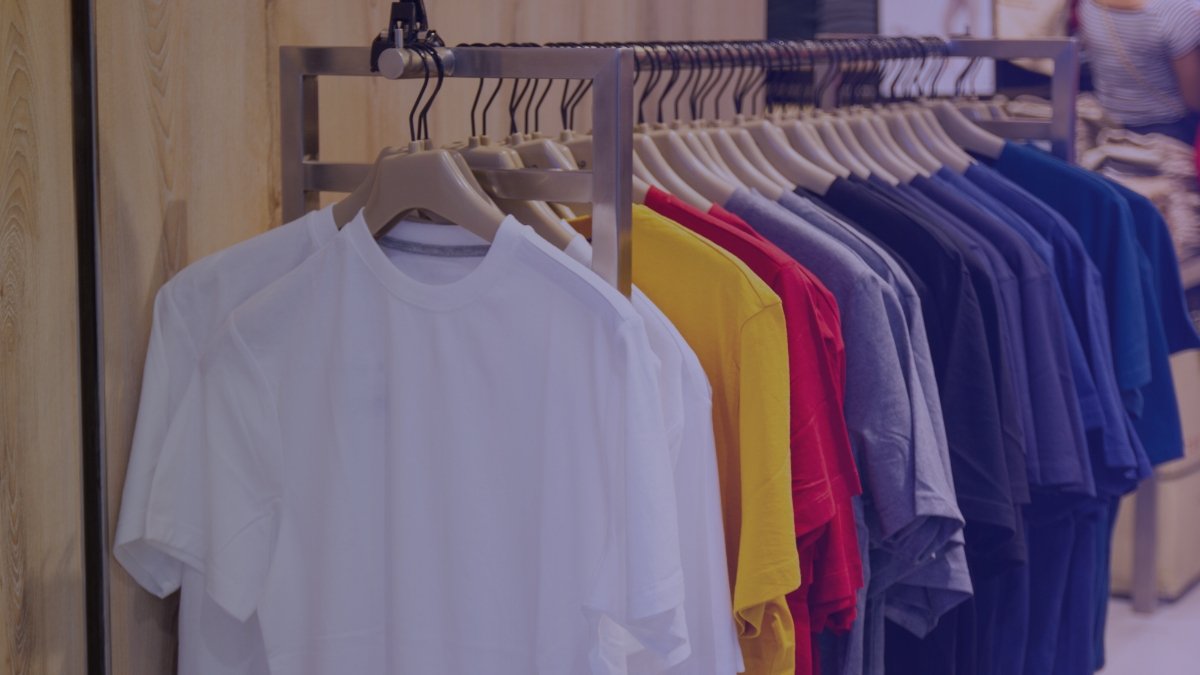

Let me tell you about a friend of mine. His name is Rafiq, and he runs a small clothing brand in Dhaka. He started on Facebook, like most of us do here. For the first year, things were okay.
He would post photos of his new kurtis and panjabis. Friends would share them. Orders trickled in through the inbox. It felt like a real business.
Then something strange happened. The same posts stopped working. The inbox went quiet. He was spending more on boosting posts, but the sales were not matching the effort.
Rafiq called me one evening, frustrated. “I am doing everything I see other brands doing,” he said. “I post every day. I reply to every message. Why is nobody buying anymore?”
I asked him one question. “When someone searches for your brand on Google, what do they find?”
There was a long pause. “Nothing,” he admitted. “Just my Facebook page. And maybe a few old posts.”
That was the moment it clicked for him. He had built a shop on someone else’s land. And he was fighting for attention with every other brand doing the exact same thing.
This is the story of clothing brand marketing strategies in Bangladesh today. It is not about posting more. It is about building a system that works even when you are not online.
What Are the Core Clothing Brand Marketing Strategies for Bangladesh in 2026?
The core clothing brand marketing strategies for Bangladesh in 2026 combine a trust-building website, targeted Meta and Google Ads, and scroll-stopping creative design. These three pillars work together to turn casual browsers into paying customers, even in a crowded market.
Let me break it down the way I would explain it to Rafiq over cha.
Most clothing brands in Bangladesh are stuck in what I call “inbox dependency.” They rely entirely on Facebook or Instagram to make sales. The moment the algorithm changes or ad costs go up, their business feels the shock.
The brands that are growing quietly in the background are doing something different. They are building a proper digital home. They are paying for attention in smart ways. And they are investing in visuals that actually make people stop scrolling.
One LinkedIn analysis of Bangladeshi fashion brands found that many spend up to 80% of their budget chasing trends that fade within three months. That is not a strategy. That is panic with a budget.
The alternative is building a system. And that system has three parts.
Why Does a Clothing Brand in Bangladesh Need a Website, Not Just a Facebook Page?
A website is the foundation of trust in Bangladeshi e-commerce.
When a shopper is about to spend their hard-earned money on a panjabi or a kurti, they want to see a real shop, clear policies, and easy checkout. A Facebook page alone rarely delivers that confidence.
Think about how your mother or your aunt shops online. They see a dress on Facebook. They like it. But before they send money through bKash, they want to know: Is this a real shop? Will I get my money back if the size is wrong?
This is the trust gap. And it is huge in Bangladesh.
Research from the fashion website design space shows that the usual fears for online shoppers here are fake shops, wrong sizes, and no refund policy. A well-designed website answers all three fears without the customer having to ask.
A website does something else too. It makes you look established. It separates you from the thousands of pages that pop up during Eid and disappear by winter.
Consider this: post-pandemic, 68% of Dhaka shoppers prefer to browse and buy online before stepping into a physical store. If your only online presence is a Facebook page, you are invisible to a large chunk of ready buyers.
And here is the part most small brands miss. A website lets you track what is actually working. You can see which products people view, where they drop off, and what makes them finally click “buy.”
Growth Battle builds conversion-focused websites for Bangladeshi clothing brands. These are not fancy digital brochures. They are shops designed to turn a visitor into a customer within a few clicks, with mobile-first layouts that load fast even on a 3G connection.
But a website alone is not enough. You need people to find it. That is where paid ads come in.
How Do Meta Ads Fit Into a Clothing Brand Marketing Strategy in Bangladesh?
Meta ads, meaning Facebook and Instagram ads, are still the fastest way to reach clothing buyers in Bangladesh.
But the brands that win are not the ones boosting every post. They are the ones using structured campaigns that separate cold audiences from warm buyers.
Facebook is not just a social network here. It is the internet for a huge portion of the population. A study on social media marketing in the Bangladeshi fashion industry found that fashion brands, especially small and medium ones, depend heavily on Facebook and Instagram to be seen and to tell their story.
But here is the problem. Most brands treat Meta ads like a megaphone. They put money behind a post and hope people buy.
The brands that actually scale do something different. They build a funnel.
A case study of a two-year-old online clothing brand in Bangladesh showed how structured Meta ads drove over 1.12 crore BDT in annual sales without any venture funding or celebrity endorsements. The founder focused on clean data and signal quality, not just running ads.
That means separating your audience into three groups.
First, cold audiences. These are people who have never heard of you. You show them your best creative and your clearest offer.
Second, warm audiences. These are people who watched your video, visited your website, or engaged with your page. You retarget them with product-specific ads.
Third, hot audiences. These are people who added to cart but did not pay. You remind them with a gentle nudge or a limited-time offer.
This three-tier structure is exactly what Meta recommends. And it works in Bangladesh because our shoppers need multiple touchpoints before they trust a new brand with their money.
One more thing. Your creative has a shelf life. The same ad that made people stop scrolling in January will become invisible by March. A smart clothing brand marketing strategy sets aside a small budget every month just for testing new hooks, new angles, and new visuals.
Growth Battle runs Meta ad campaigns built around this exact logic. They focus on ROAS, not likes. And they refresh creative before it dies, so your budget keeps working.
Why Are Google Ads Important for Clothing Brands in Bangladesh?
Google Ads capture people who are already searching for what you sell. When someone types “black panjabi size L” or “kurti online Dhaka” into Google, they are not browsing. They are ready to buy. Google Ads put your brand in front of them at that exact moment.
Meta ads are like a billboard. You put your brand in front of people and hope they remember you when they need a dress.
Google Ads are like a shop sign on the busiest road in town. When someone is already looking for a panjabi, your shop appears.
A 2026 guide on Google Ads for fashion ecommerce in Dhaka notes that 60% of fashion shoppers start their journey on a search engine. And the Dhaka online fashion market is expected to reach ৳5,000 crore by 2027. If your brand is not showing up in search, you are handing those customers to your competitors.
The keyword strategy matters here. Broad terms like “buy clothes online” are expensive and vague. Specific terms like “cotton panjabi Dhaka” or “embroidered kurti Bangladesh” bring in shoppers who know what they want.
Google also gives you something Meta cannot. It shows you the exact words people use when they are looking for your products. That is free market research.
But Google Ads work best when they have a destination to send people to. A well-structured website. A clear product page. A checkout that does not make people give up halfway.
That is why the website and the ads are not separate things. They are two halves of the same system.
What Role Does Creative Design Play in Clothing Brand Marketing?
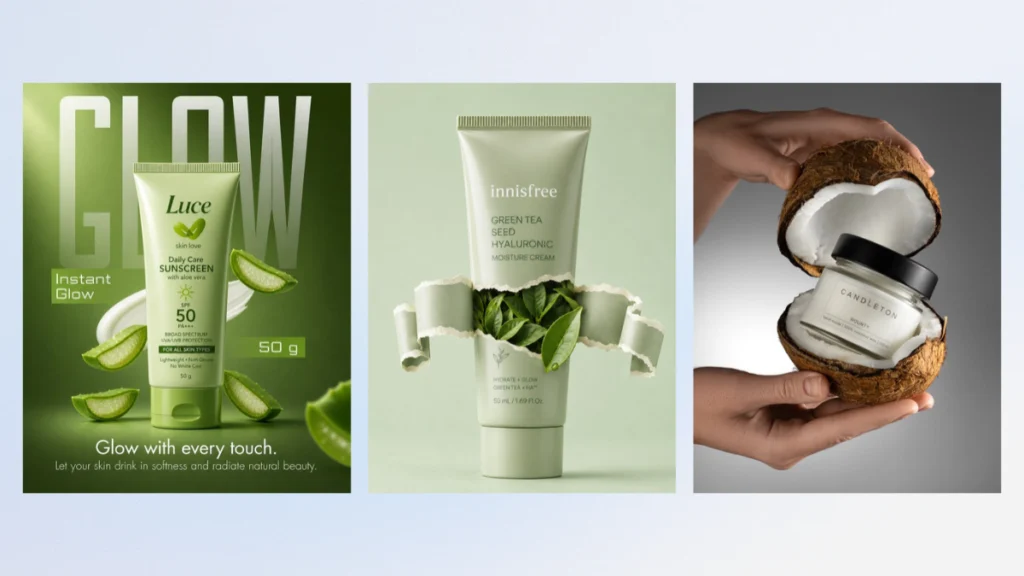
Creative design is the first handshake between your brand and a new customer. In a feed full of noise, a single image or a five-second video decides whether someone stops or scrolls past. For clothing brands in Bangladesh, design is not decoration. It is the difference between being seen and being ignored.
Walk through any Facebook feed in Bangladesh during Eid season. Everyone is selling panjabis. Everyone is selling kurtis. The colours blur together.
The brands that stand out are not always the ones with the biggest budgets. They are the ones with the clearest visual voice.
A study on Gen Z fashion branding in Bangladesh found that young consumers are drawn to brands that feel authentic. Collaborating with local artists, working with real micro-influencers, and telling relatable stories builds a stronger connection than polished, generic ads.
This is where creative design becomes a strategy, not a task.
A good creative does three things. It stops the scroll. It communicates the value in a glance. And it makes the viewer feel something, whether that is desire, curiosity, or trust.
For a clothing brand, this could mean flat-lay photos that show the fabric texture. It could mean a short video of a real customer twirling in a kurti. It could mean a carousel that shows the same panjabi styled three different ways.
The content that works is the content that helps the customer imagine themselves in the product.
Growth Battle’s graphic design team creates ad creatives and social media visuals built for this exact purpose. Scroll-stopping designs that earn the click, not just fill the feed.
But even the best creative cannot save a brand that does not know who it is.
What Makes a Clothing Brand Marketing Strategy Actually Work in Bangladesh?
A working clothing brand marketing strategy in Bangladesh is built on clarity, consistency, and measurement. It is not about doing more. It is about doing the right things in the right order, and knowing exactly what is bringing in profit.
Let me go back to Rafiq.
After our conversation, he did not spend lakhs on ads overnight. He started with one thing. He built a simple website with clear product pages, size guides, and a return policy.
Then he ran a small Meta ad campaign. Not to sell, but to send people to the website. He watched what they clicked. He learned which products got the most views.
Next, he set up a Google Ads campaign for a few specific keywords. “Panjabi online Dhaka.” “Cotton kurti Bangladesh.” Small budget. Tight targeting.
He also invested in better photos. Not a studio shoot. Just natural light, a clean background, and a friend modelling the clothes.
Within three months, something shifted. The website was getting traffic. The ads were bringing in orders. And for the first time, he could see exactly where his money was going.
But there was one more thing he had to learn. The hard way.
The Numbers That Keep a Clothing Brand Alive
In Bangladesh, most clothing sales still happen through cash on delivery.
That means you do not know your real profit until the courier hands you the money and the return comes back.
A lot of brands celebrate when the orders come in. They forget to track what happens after. Returns, failed deliveries, ad spend, packaging, courier charges. These things eat into the margin quietly.
This is why smart brands use a profit tracker. Not a fancy spreadsheet. A simple tool that shows the real number at the end of the month.
Growth Battle has a free F-Commerce Profit Tracker that does exactly this. You plug in your product cost, delivery charges, orders, returns, and ad spend. It tells you your net profit, margin, and ROI. No guesswork. No surprise losses.
It is a small tool, but it changes how you make decisions. You stop scaling an ad that brings orders but no profit. You start doubling down on the product that actually makes money.
How Should a Beginner Clothing Brand Start with Marketing in Bangladesh?
A beginner clothing brand in Bangladesh should start with three things: a simple website, one paid channel, and a clear brand story.
Do not try to be everywhere at once. Pick one path, measure it honestly, and scale only what works.
Here is a practical order of operations.
First, define your brand in one sentence. Not a tagline. A real sentence. “We make affordable cotton kurtis for university students in Dhaka.” That clarity will guide every ad, every photo, and every product description.
Second, build a basic website. It does not need to be complicated. It needs to load fast, show real photos, explain sizes, and make payment easy.
Third, choose one paid channel. If your audience is young and visual, start with Meta ads. If your product solves a specific search need, start with Google Ads. Do not split a small budget across five platforms.
Fourth, create a content rhythm. You do not need to post every day. You need to post with purpose. Show the product. Show the person wearing it. Show the story behind it.
Fifth, track your profit, not just your revenue. Use a tool like the F-Commerce Profit Tracker. Know your numbers before you scale.
And when you are ready to grow faster, get help from people who do this every day. Growth Battle works with Bangladeshi clothing brands to build the full system: website, Meta ads, Google Ads, SEO, and creative design. They offer a free 30-minute strategy call to audit your funnel and map your next 90 days.
No unnecessary talk or meaningless numbers. Just a clear plan to turn clicks into customers.
The Bottom Line
Clothing brand marketing strategies in Bangladesh are not about finding a secret hack. They are about building a foundation that does not collapse when the algorithm changes.
A website gives you a home. Meta ads bring the crowd. Google Ads catch the ready buyers. Creative design makes them stop and look. And profit tracking keeps you honest.
Rafiq still runs his clothing brand. He is not the biggest in Dhaka. But he is steady. He knows where his next order is coming from. And he sleeps better at night.
That is what a real clothing brand marketing strategy does. It does not just grow your sales. It gives you control over your own story.
